Finding the right Light Switch Glass Factory these days isn’t exactly a walk in the park. With so many options out there, it can feel pretty overwhelming trying to sort through all the different features and quality standards. Each factory tends to have its own unique styles and functions, which means you really need to figure out what suits your project best.
When it comes to quality, that’s usually the biggest deal. The reputation of a factory depends a lot on their materials and how well they craft their products. It’s a good idea to look for vendors with solid portfolios and good reviews from other customers. Some factories really stand out because they’re especially good at thermal stability or resisting wear and tear, but honestly, not all of them meet those standards. That inconsistency can be a real headache and might even lead to some pretty disappointing outcomes.
Another thing that’s super important is customer service. Being able to communicate easily and get quick responses really helps build trust. Sadly, not all factories are great at keeping the lines open or being responsive, so you’ve gotta stay alert. Doing your homework and exploring your options thoroughly can save you lots of trouble down the line. In the end, putting in a bit of time upfront to research will help you find a reliable partner in the light switch glass industry—and trust me, it’s totally worth it.

2026 Global Market Overview for Light Switch Glass Manufacturing
The global market for light switch glass manufacturing in 2026 is diverse and evolving. A variety of factors influence this industry. These include consumer preferences, technological advancements, and sustainability trends. Manufacturers are increasingly focusing on eco-friendly materials. This shift responds to market demands for greener products.
The competition remains fierce among manufacturers. Quality control is essential for success. Ensuring the durability and aesthetic appeal of light switch glass is critical. Companies must invest in research and development. This commitment enhances their product offerings. However, not every manufacturer meets these standards, leading to variability in quality across the market.
Many buyers may find it challenging to navigate these options. International sourcing can introduce complications like shipping delays and tariffs. Potential buyers should conduct thorough market research. This practice helps in identifying reliable manufacturers. Despite the challenges, the opportunities for growth in this sector are significant. Companies embracing innovation and sustainability are likely to thrive in 2026.
Key Players and Leading Glass Factories in the Light Switch Industry
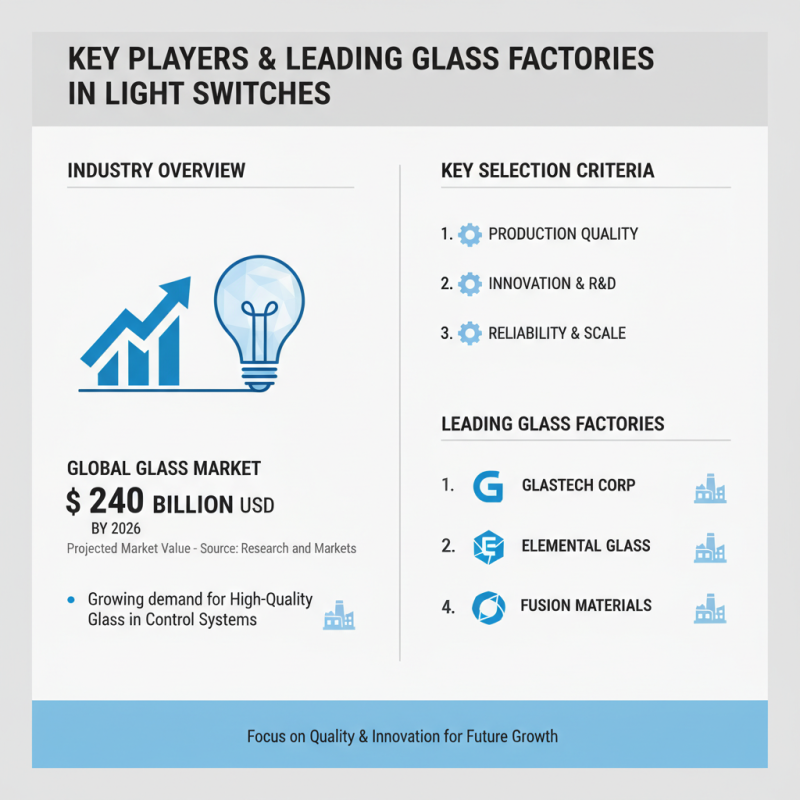
In the light switch industry, selecting the best glass factories involves evaluating key players that lead in production quality and innovation. A report from Research and Markets highlights that the global glass manufacturing market is projected to reach $240 billion by 2026. This growth indicates an increasing demand for high-quality glass products, particularly in control systems like light switches.
Key factories specialize in advanced technologies. These players implement strict quality control measures. As competition rises, factories strive for eco-friendly solutions. The rising focus on sustainability has prompted many to invest in green production methods. These shifts align with consumer preferences for environmentally responsible products.
Tip: When selecting a glass factory, consider their environmental practices. Reliable factories should demonstrate a commitment to sustainable approaches. Additionally, assess their production capabilities and certifications. It’s crucial to engage with suppliers that maintain transparency about their sourcing and manufacturing processes. These steps ensure the quality required for a high-functioning product.
Sustainable Practices: Eco-Friendly Glass Manufacturing Techniques
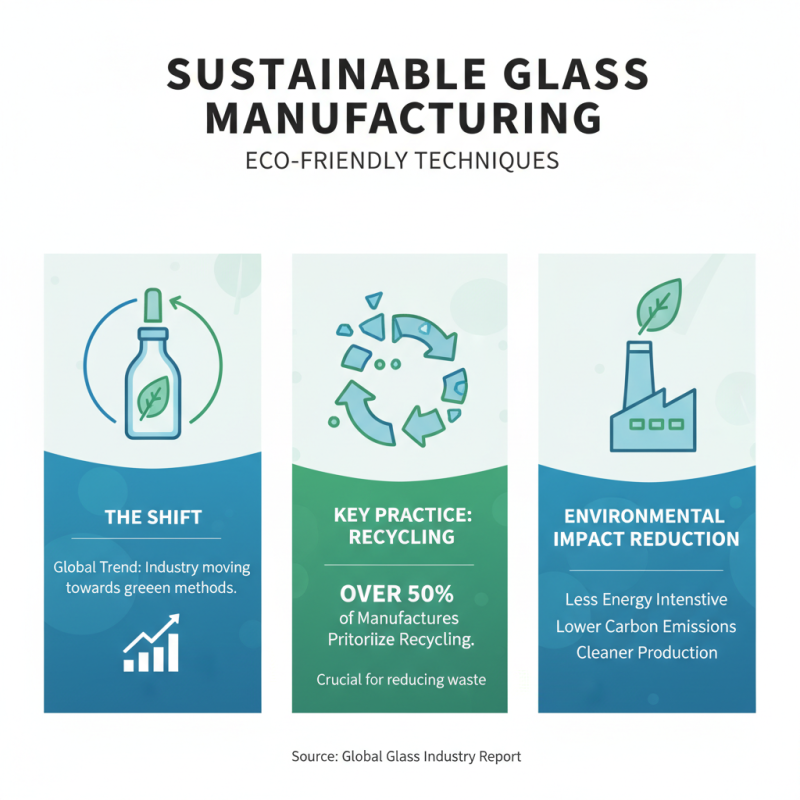
Sustainable practices in the glass manufacturing industry are gaining traction. Research from the Global Glass Industry Report shows a significant shift towards eco-friendly methods. Over 50% of manufacturers now prioritize recycling. This is crucial, as glass production is energy-intensive. Traditional methods can lead to high carbon emissions.
Light Switch Glass is often overlooked in sustainability discussions. However, using recycled materials can greatly reduce the carbon footprint. According to the U.S. Environmental Protection Agency, recycling one ton of glass can save over a ton of natural resources. The challenge lies in ensuring the quality of recycled glass meets industry standards.
Innovative techniques are emerging, but there are still gaps. Many manufacturers struggle with inconsistent supply chains for recycled materials. Collaboration between suppliers and manufacturers is essential to enhance sustainability in this sector. Investing in better technology may help. The path to greener production is not straightforward, but it holds immense potential for the future of Light Switch Glass.
Comparison of Product Quality Standards Among Top Glass Factories
When considering light switch glass options, quality standards set the best manufacturers apart. Not all factories adhere to the same stringent measures, leading to varying levels of product reliability. Some rely heavily on automated processes, which can compromise craftsmanship. Others maintain a careful balance between technology and manual quality checks. The approach significantly impacts the final product's durability and aesthetic appeal.
Another crucial factor is the types of glass used. Some factories favor tempered glass, known for its strength and safety features. However, others may use lower-grade options to save costs. Buyers should be aware that these choices affect not only longevity but also the overall design. Furthermore, certification processes are sometimes overlooked. Factories that invest in proper certifications demonstrate a commitment to quality.
Evaluating these standards helps buyers make informed choices. It is essential to seek factories that prioritize clear communication about their processes. Transparency in sourcing materials and production methods reflects a factory’s reliability. Yet, many still fall short in providing comprehensive information. This gaps in understanding can lead to buyer dissatisfaction and returns. It’s vital for manufacturers to build trust through consistent quality.
Technological Innovations in Light Switch Glass Production for 2026
As we move toward 2026, the production of Switch Light Glass is undergoing remarkable transformations. Innovations in material science are enhancing durability and aesthetic appeal. New coatings are being developed, making the glass more resistant to scratches and environmental wear. This ensures a longer lifespan for consumers. Advances in smart technology integration also mean that these switches can now support touch-sensitive interfaces. They provide a seamless experience for users, aligning with modern home automation trends.
Manufacturers are exploring sustainable practices in the production of Switch Light Glass. Recycling old materials reduces waste and lowers the overall carbon footprint. However, challenges remain in balancing cost and innovation. Some customers might find the new models pricier than traditional options. This raises questions about accessibility for all consumers. Additionally, the market is saturated with options, making it tough for buyers to discern quality and reliability.
The technologies involved are promising but require continuous refinement. Current methods of production may leave room for improvement. Industry experts constantly explore new techniques to enhance performance while ensuring safety standards are met. The journey toward optimal Switch Light Glass production is ongoing and crucial for future advancements in the lighting industry.
2026 Best Light Switch Glass Factory Options for Global Buyers - Technological Innovations in Light Switch Glass Production for 2026
| Factory Location |
Production Capacity (units/year) |
Technological Innovations |
Material Type |
Sustainability Practices |
| China |
1,000,000 |
Automated Cutting and Coating Techniques |
Tempered Glass |
Zero Waste Operations |
| Germany |
500,000 |
Smart Glass Technology Integration |
Laminated Glass |
Energy Efficient Production |
| USA |
750,000 |
Nano-coating for Enhanced Durability |
Recycled Glass |
Carbon Neutral Manufacturing |
| Japan |
400,000 |
Laser Etching Technology |
Frosted Glass |
Recyclable Materials Usage |
| Italy |
600,000 |
Automated Assembly Line |
Clear Glass |
Eco-Friendly Packaging |
Market Trends: Growth Projections and Consumer Preferences
The market for light switches is evolving. Buyers are increasingly leaning towards stylish designs that complement modern interiors. The trend emphasizes the use of Tempered Glass Light Switches. These switches not only offer aesthetic appeal but also durability. They can withstand everyday use, making them a sensible option for many households.
Consumer preferences show a growing inclination towards eco-friendly products. Buyers are looking for sustainable materials and energy-efficient options in their light switches. It is vital for manufacturers to adapt to these shifts. Exploring innovative designs while maintaining functionality will be key.
When choosing a tempered glass light switch, consider installation ease. Some models require professional installation, while others are user-friendly. Always check compatibility with existing setups. Remember, price isn’t everything. Quality and durability could save money in the long run, but be aware of overhyped features.
Global Light Switch Market Trends (2026 Growth Projections)
Supply Chain Dynamics: Sourcing Materials for Glass Light Switches
In the evolving market of light switch glass production, sourcing materials poses intricate challenges. The focus is on obtaining high-quality raw materials that meet environmental standards. For example, the global float glass market was valued at approximately $54 billion in 2022 and is projected to grow steadily. This growth highlights demand for refined glass products, including light switches made with China Light Switch Glass.
Sustainability is a key consideration for manufacturers. Many suppliers are now adopting eco-friendly practices in sourcing. Reports indicate that recycled glass use has increased to over 20% in manufacturing processes. Yet, sourcing can be fraught with difficulties. Pricing volatility affects procurement strategies. Additionally, shortages in specific glass types impact production schedules.
Understanding supply chain dynamics is crucial. Companies must closely monitor supplier stability and market trends. Aligning with reliable suppliers can mitigate risks. However, finding consistent quality remains a challenge. Engaging with multiple suppliers might lead to better options, but it complicates logistics. Therefore, manufacturers should weigh these factors to optimize their sourcing strategies.
Market Insights: The Impact of 1mm OEM AG Glass on Display Technology and Consumer Electronics
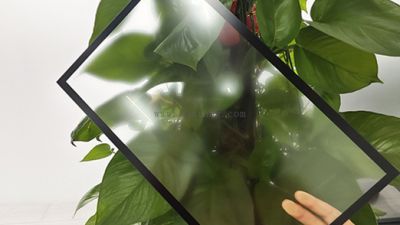
The development of 1mm AG glass is poised to revolutionize display technology across various segments of consumer electronics. This ultra-thin glass not only serves as a cover panel for displays but also incorporates an innovative anti-glare surface that significantly reduces reflections, enhancing readability in diverse lighting conditions. This feature is particularly beneficial for users in environments where glare can impede performance, making it an optimal choice for both industrial displays and interactive devices.
In addition to its functional benefits, the 1mm AG glass offers customization options through silk screen printing, allowing manufacturers to integrate unique branding or design elements effortlessly. Such versatility makes it suitable for a wide range of OEM applications, where tailored aesthetics are essential for market differentiation. Beyond its visual enhancements, the durability of this glass ensures a premium touch, promising not only to protect the underlying display but also to withstand the rigors of everyday use. As the demand for high-quality displays continues to rise, incorporating 1mm AG glass into product designs can significantly elevate user experience across various industries.
FAQS
: Consider their environmental practices, production capabilities, and transparency in sourcing materials.
Sustainability aligns with consumer preferences for eco-friendly products and can enhance a factory’s reputation.
Not all factories adhere to stringent quality measures, affecting reliability and durability of products.
Buyers should look for tempered glass for strength. Avoid lower-grade options to ensure better longevity.
Over-reliance on automation can compromise craftsmanship and affect the final product's appeal.
Clear communication about sourcing and production builds trust and reduces buyer dissatisfaction.
Pricing volatility and material shortages can impact production schedules and quality consistency.
Monitoring supplier stability and aligning with dependable suppliers minimizes risks in sourcing.
Certifications indicate a factory’s commitment to quality and adherence to industry standards.
Engaging multiple suppliers can lead to better options but complicates logistics and quality management.
Conclusion
The 2026 overview of the global light switch glass manufacturing market highlights the emergence of innovative factories that cater to a growing demand for quality and sustainability. Key players in the industry are implementing eco-friendly practices and advanced technologies to improve production efficiency and minimize environmental impact. With a focus on consumer preferences, market trends indicate significant growth potential, driven by the increasing inclination towards high-quality, sustainable products.
Additionally, the article delves into the supply chain dynamics that affect sourcing materials for light switch glass products. By comparing product quality standards among leading glass factories, stakeholders can identify the most reliable options in the market. As manufacturers adopt cutting-edge innovations, the future of light switch glass production looks promising, positioning well for adapting to consumer needs and sustainability goals.