In today’s fast-paced global market, figuring out which Anti-Glare Glass suppliers to trust can feel like trying to solve a complex puzzle with all those trade certifications and quality standards. That’s where Dongguan Fuxin Glass Technology Co., Ltd. really shines. They’ve spent over ten years diving deep into the world of professional glass, and you can really see their dedication. They’re not just keeping up; they’re leading the way with some pretty groundbreaking research and innovation in display glass technologies. We’re talking advanced stuff like AG glass, AR glass, AF glass, and AM glass. As businesses and consumers alike are on the lookout for top-notch Anti-Glare Glass products, it’s super important to understand which certifications actually mean something when you’re looking to partner up with reliable suppliers. So, in this blog, we’re going to break down the key certifications that help you pick the best Anti-Glare Glass suppliers. Plus, we’ll highlight some of the outstanding practices and innovative approaches that Fuxin Glass brings to the table to ensure their products are not just good, but exceptional, which really keeps their customers happy.

Understanding Global Trade Certifications in Anti-Glare Glass Industry
You know, the world of anti-glare glass is super competitive, and if you’re in the game—whether you’re a supplier or a consumer—you really need to get a handle on those global trade certifications. They’re not just some fancy labels; they actually act as proof that a product meets international standards for quality and safety. For suppliers, grabbing the right certifications isn't just about boosting your credibility; it’s a ticket to entering new markets too.  There are a bunch of certifications out there, like ISO, ANSI, and CE, each focusing on different parts of the production process—from the materials used to environmental impact. So, it’s pretty essential to figure out which ones fit best with your business goals.
On the flip side, consumers also need to pay attention to these certifications, as they help make smarter buying decisions. When you see a certification, it means that the product has undergone some serious testing and meets the industry's established standards, which is a big comfort when it comes to quality and performance. As the market keeps getting more globalized, these certifications are becoming even more important in supply chains. They help buyers confidently pick the best anti-glare glass suppliers out there. By really understanding these details, everyone involved—suppliers, consumers, you name it—can navigate the complex world of global trade a lot better, which helps protect investments and ensures consumer satisfaction.
Key Technologies Shaping Anti-Glare Glass in 2025
As we gear up for 2025, it's pretty clear that the world of anti-glare glass is going through some exciting changes, thanks to a bunch of new technologies that are about to shake things up. Just look at the rise of Micro and Mini LED displays—these have become a real game-changer across so many sectors, from your everyday gadgets to the latest in automotive tech. These fancy displays aren’t just giving us clearer images; they’re also getting some really cool anti-glare features. This means you can finally enjoy a great viewing experience, even when you’re outdoors on a sunny day.
And let’s not forget about smart glasses; they’re making waves too! With Augmented Reality and Artificial Intelligence becoming more mainstream, the need for top-notch anti-glare solutions is skyrocketing. It’s like we’re hitting a sweet spot where these smart technologies are coming together with anti-glare glass, creating products that look good and feel great to use. This blend of style, comfort, and functionality is all about letting folks enjoy stunning visuals without having to deal with annoying glare. Honestly, this approach is signaling an exciting shift in what we can expect from products in various industries. It’s a whole new way of experiencing our surroundings visually!
Benefits of Compliance: How Certifications Enhance Supplier Credibility
You know, in today’s competitive world, it’s super important for suppliers of anti-glare glass to get those global trade certifications. They really help smooth out international transactions and boost a supplier's credibility – I mean, who doesn’t want to be seen as reliable? When suppliers go the extra mile to get recognized certifications, they’re basically saying, 'Hey, we’re all about quality and dependability!' And that builds trust with customers and partners, which is a big deal in markets where display glass products are used. After all, customers expect not just performance but also safety.
Take Dongguan Fuxin Glass Technology Co., Ltd., for instance. They really show what it means to strive for excellence. With more than ten years in the glass industry, Fuxin Glass has put a spotlight on creating specialized products, like anti-glare (AG) glass and unique coatings. They’ve put in a ton of effort into research and development to make sure their products hit those international standards, which really strengthens their reputation as a reliable supplier. As they tackle the ins and outs of global trade certifications, Fuxin Glass doesn’t just stand out as a leader in display glass tech; they also boost their standing in the marketplace. This makes them a go-to choice for clients who are on the lookout for top-notch, certified products.
Navigating Challenges in Obtaining Global Trade Certifications
Hey there! You know, in today’s super competitive marketplace, getting global trade certifications can really feel like a bit of a maze, especially if you're in a niche industry like anti-glare glass. Take Dongguan Fuxin Glass Technology Co., Ltd. for example. They’ve been in the game for over ten years, and trust me, knowing how to handle these certifications is absolutely key for them. Their know-how in display glass, including some pretty cool advanced coatings like ag, ar, af, and am glass, really shows off their dedication to quality and innovation, which usually ticks all the right boxes for those certification requirements.
So, if you’re looking to simplify the whole certification process, a good starting point is to get a grip on the international standards that apply to your products. It could also be a smart move to invest in some training for your team, so they really know the ins and outs of these regulations. And hey, don’t underestimate the value of building solid relationships with certifying bodies. When you have good communication with them, it can really speed up the whole approval process—those folks often prefer working with applicants who are well-prepared.
Also, keeping track of your product development lifecycle and being open about your production practices can seriously boost your application. It’s a great idea for suppliers to regularly check their compliance with existing certifications and stay ahead of the curve by updating with any new standards. This way, they can keep competing in the global market while staying in tune with what consumers are looking for.
Future Trends Influencing Anti-Glare Glass Demand and Supply Chain
You know, as the world gets more and more interested in anti-glare glass, we're starting to see some cool trends shake up the market and how things are supplied. One of the big influences these days is the growing focus on sustainability and using eco-friendly manufacturing practices. Suppliers are really stepping up, using recycled materials and energy-efficient tech to cater to what consumers want and to keep up with regulations. It’s a win-win, really—less harm to the environment while also appealing to those of us who care about social responsibility.
On top of that, technology is really stepping in to shake things up with some innovative anti-glare solutions. Have you heard about smart glass tech? It’s pretty neat—it can actually change its transparency based on the setting it’s in, which is catching on quickly. This isn’t just making anti-glare glass more versatile; it’s also opening up new possibilities across different fields like cars, architecture, and even gadgets. As these new tech features become more common, suppliers that get on board are likely going to have a nice edge over the competition while keeping up with what consumers are looking for.
Maximizing Competitive Advantage Through Certification in Global Markets
You know, in the crazy world of global trade, having the right certifications can really boost a supplier's status, especially in niche markets like anti-glare glass manufacturing. Check this out: a recent report from Smithers Pira mentions that the global demand for anti-reflective glass is projected to hit a whopping $15 billion by 2025. That really underscores how crucial it is to have those specific certifications that align with international quality and safety standards. When suppliers get certifications like ISO 9001, it not only shows they’re serious about quality management but also hints at reliability and compliance, which potential clients in various markets really appreciate.
Plus, getting certifications like CE marking or ANSI standards can totally unlock new opportunities, especially in places like Europe and the U.S., where the rules can be pretty strict. There’s this study by Deloitte that suggests firms with internationally recognized certifications often snag about a 20% higher market share compared to those that don’t have them. In today’s market, where shoppers are increasingly picky about safety, sustainability, and ethical practices, having that competitive edge is super important. By focusing on getting certified, anti-glare glass suppliers not only boost their credibility but also strategically position themselves in a booming global marketplace.
Exploring the Benefits and Features of Customized AR Security Glass Panels for Modern Access Control Solutions
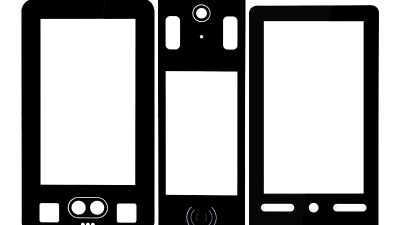
As security becomes an increasingly crucial component of modern architecture, customized AR (Augmented Reality) security glass panels offer an innovative solution for access control. These specialized panels are not only designed to enhance safety but also to integrate seamlessly into contemporary design aesthetics. Utilizing tempered glass, which forms compressive stress through advanced manufacturing processes, ensures that these panels are significantly stronger than standard glass. According to industry reports, the market for tempered glass is projected to reach $100 billion by 2025, reflecting the rising demand for durable and secure materials in various applications.
One of the standout features of AR security glass panels is their customization potential. They can be tailored to fit specific shapes and colors, catering to unique architectural styles while maintaining the safety standards that tempered glass is known for. This versatility makes them ideal for a range of environments, from commercial buildings to private residences. Furthermore, the addition of features such as silk screen processing and touch screen capabilities offers enhanced interaction and functionality, which are vital in today’s smart applications. As the use of AR technology continues to expand, integrating it with tempered glass solutions opens up new avenues for improved security and user experience.
In addition to their safety benefits, AR security glass panels also capitalize on technological advancements, such as AG glass (anti-glare), improving visibility and reducing reflections in high-traffic areas. With varying thicknesses and sizes available, these panels can be optimized for any space while ensuring maximum security and aesthetic appeal. The integration of these technologies not only reinforces physical security but also elevates the overall user experience, marking a significant advancement in modern access control solutions.
FAQS
: Key technologies include Micro and Mini LED displays, smart glasses, augmented reality (AR), and artificial intelligence (AI) functionalities, all of which enhance visual clarity and the effectiveness of anti-glare features.
The prevalence of AR and AI functionalities in smart glasses is driving the demand for high-performance anti-glare coatings, as users seek improved visual experiences without glare interference.
Suppliers face a complex certification process tailored to specific industries, necessitating a deep understanding of international standards and ongoing compliance with evolving regulations.
Companies can simplify the process by familiarizing themselves with international standards, investing in staff training, building relationships with certifying bodies, maintaining transparency, and documenting the product development lifecycle.
Trends include the increasing focus on sustainability and eco-friendly manufacturing, advancements in smart glass technology, and a growing consumer preference for products that align with environmental and social values.
Suppliers are focusing on using recycled materials and energy-efficient manufacturing processes in response to consumer preferences and regulatory demands, which appeal to socially conscious consumers.
Advancements in technology, particularly smart glass that adjusts transparency and glare based on environmental conditions, are enhancing the functionality and applications of anti-glare glass across various sectors.
Innovative anti-glare solutions are expected to expand in sectors such as automotive, architecture, and consumer electronics, driven by technological advancements and changing consumer needs.